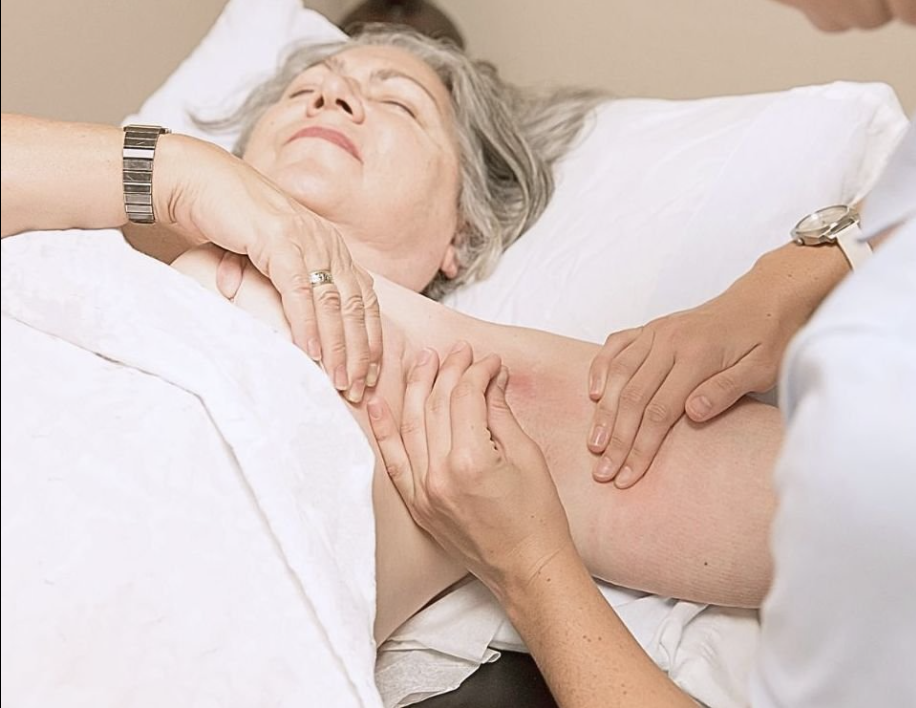
We start by sitting down and chatting—what treatment you’ve had, how you’re feeling, and what goals you have.
We’ll do a gentle mobility and posture assessment, checking how your shoulders move, how your breathing feels, how your scars are healing and record measurements to monitor swelling in the upper extremities.
Take a moment to ask yourself: Why are you motivated to move your body? Is it for physical health? Weight loss? Social interaction? Cardiovascular benefits?
If you’re like most of our clients I’ve spoken with over the years, your first answer probably isn’t mental and emotional well-being. And yet, this may be one of the most powerful and overlooked reasons of all.
“It turns out that moving our muscles produces proteins that travel through the bloodstream and into the brain, where they play pivotal roles in the mechanisms of our highest thought processes… exercise is as effective as certain medications for treating anxiety and depression.” — John J. Ratey, M.D., Spark: The Revolutionary New Science of Exercise and the Brain
Let’s talk about how movement is one of the most accessible, cost-effective, and side-effect-free therapies available for improving mental health.
What the Research Says
Since the 1990s, neuroscience has increasingly highlighted the link between exercise and brain health. At the same time, social media and pop culture have pushed the narrative that the primary goal of exercise is aesthetics. While there’s nothing wrong with wanting to look better, it’s time we give equal (or more) credence to how exercise makes us feel.
Here’s what happens when you move your body:
Exercise boosts brain chemicals:
BDNF (Brain-Derived Neurotrophic Factor) is a protein that supports learning, memory, and mood regulation. Exercise—especially moderate to high-intensity cardio—stimulates a surge of BDNF, helping your brain stay sharp and resilient.
IGF-1 (Insulin-like Growth Factor 1) rises with exercise, supporting neurogenesis (the creation of new brain cells) and protecting the brain from age-related decline.
Plasticity and Adaptation:
Your brain’s plasticity—its ability to adapt and grow—is enhanced with regular movement. That means better problem solving, sharper thinking, and a more flexible emotional response to stress.
Real-Time Brain Changes:
During exercise, your brain gets a boost in blood flow, metabolism, and neurotransmitter activity. You’re literally charging your brain while you move.
Mood, Motivation, and Movement
One of the greatest ironies? When we’re stressed, anxious, or emotionally drained, exercise is often the first thing we cut from our schedule. But it should be the first thing we protect.
Here’s the reframe: Exercise isn’t just about calorie burn or step counts—it’s a reset button for your brain.
The next time you feel overwhelmed or tempted to skip your workout, don’t think about visible results. Instead, ask:
“How will I feel mentally if I move today?”
The answer? Likely calmer, clearer, more focused—and maybe even happier.
Your Challenge
Try this: Use physical activity as a tool to boost your mood, regulate your emotions, and sharpen your focus. Even a 10-minute walk can activate the systems responsible for resilience, cognitive function, and emotional regulation.
Want to Learn More?
The research referenced here comes from: Deslandes A, Moraes H, Ferreira C, et al. Exercise and Mental Health: Many Reasons to Move. Neuropsychobiology, 2009.
Curious to dig deeper? Shoot us an email and we’ll send you the full article.
Physical therapy isn’t just for post-surgery rehab or serious injuries—it’s a powerful tool for anyone looking to move better, feel stronger, and live with less pain. In a city like Franklin, TN, where active lifestyles and community wellness are central to daily life, physical therapy plays a critical role in helping people maintain mobility and independence.
From athletes recovering from sprains to office workers dealing with chronic neck or back pain, more Franklin residents are turning to physical therapy as a proactive health solution. Whether you’re dealing with a recent injury, a long-standing issue, or just want to stay ahead of age-related changes, personalized care from a qualified provider can make all the difference.
This guide is designed to help you understand what physical therapy involves, how it can benefit you, and how to choose the best clinic in Franklin to support your health goals.
What Is Physical Therapy?
At its core, physical therapy is a form of healthcare that helps people restore, maintain, and improve movement and physical function. It’s grounded in science and tailored to each person’s specific needs, whether they’re recovering from surgery, managing chronic pain, or aiming to improve athletic performance.
A licensed physical therapist uses techniques such as manual therapy, therapeutic exercise, movement analysis, and sometimes modalities like dry needling or cupping to reduce pain, improve mobility, and prevent further injury. The goal is to empower patients with the tools, education, and support they need to take charge of their health.
Who benefits from physical therapy?
Physical therapy isn’t just for those recovering from a major injury. It can help a wide range of people, including:
Athletes dealing with overuse injuries or training recovery
Chronic pain sufferers with conditions like arthritis or fibromyalgia
People with mobility limitations, whether from aging or neurological issues
Workers with repetitive strain injuries from desk jobs or manual labor
Anyone looking to prevent injury or optimize how their body moves
In short, if you’re not moving the way you want to—or if pain is holding you back—physical therapy could be the answer.
Types of Physical Therapy Offered in Franklin
Franklin is home to a variety of physical therapy providers offering diverse treatment approaches tailored to the community’s needs. Whether you’re recovering from surgery, managing pain, or looking to improve athletic performance, there’s likely a therapy style that fits your goals.
Here are some of the most common types of physical therapy available in the Franklin area:
Orthopedic Physical Therapy
This is the most widely practiced form, focused on treating musculoskeletal conditions such as joint pain, sprains, post-fracture recovery, or post-surgical rehab. It includes manual therapy, strengthening exercises, and mobility training.
Sports Rehabilitation
Tailored for athletes of all levels, sports rehab focuses on returning to sport safely and efficiently. This often includes agility work, neuromuscular training, and injury prevention strategies.
Manual Therapy
This hands-on technique involves soft tissue mobilization, joint manipulation, and muscle release work to improve alignment, reduce tension, and relieve pain—often a favorite for those with chronic tightness or restricted movement.
Dry Needling
Offered by clinics like Elevate615, dry needling is a targeted method for releasing trigger points and reducing muscle tension. It’s especially effective for headaches, back pain, and sports injuries.
Post-Surgical Rehabilitation
After procedures like ACL repair, rotator cuff surgery, or joint replacement, a structured rehab plan is essential to regain strength, flexibility, and confidence in movement.
Performance Optimization & Injury Prevention
Some providers, including Elevate615, go beyond recovery to help patients enhance physical performance, improve biomechanics, and prevent future injuries.
What to Expect During Your First Visit
Your first physical therapy appointment sets the tone for your care journey. At clinics like Elevate615 in Franklin, the experience is designed to be welcoming, informative, and personalized—no rushed assessments or one-size-fits-all plans.
Initial Consultation and Health History
The visit typically starts with a conversation. Your therapist will ask detailed questions about your medical history, current symptoms, lifestyle, and activity level. This dialogue helps them understand your goals and challenges, whether it’s managing pain, recovering from an injury, or simply moving more freely.
Movement Assessment and Functional Testing
Next, you’ll go through a physical evaluation. This may include:
Postural analysis
Range of motion testing
Strength measurements
Balance and gait analysis
Pain point identification
The goal is to find not just where the pain is—but why it’s happening.
Personalized Treatment Planning
Based on your assessment, your therapist will create a customized plan. This plan may include:
Manual therapy
Therapeutic exercises
Modalities like dry needling or cupping
Home exercise routines
Education on movement patterns and ergonomics
At Elevate615, for example, the emphasis is on treating the root cause—not just the symptoms—through a blend of hands-on care and functional training.
Q&A and What Comes Next
You’ll also have the opportunity to ask questions and discuss expectations for follow-up sessions. Your therapist will explain how often you’ll need to come in, what progress might look like, and how you can stay consistent outside the clinic.
How to Know If You Need Physical Therapy
You don’t have to be in a cast or post-op to benefit from physical therapy. In fact, many people wait too long before seeking care—often living with pain, stiffness, or movement limitations they assume are “normal.” The truth is, if something doesn’t feel right in your body, physical therapy may help.
Common Signs You Might Need PT
Here are some clear indicators that it might be time to book an evaluation:
Persistent pain in your back, neck, shoulders, or joints
Limited range of motion or stiffness that affects daily life
Balance issues or frequent falls
Numbness or tingling sensations in your limbs
Poor posture or ergonomic-related discomfort
Lingering effects from an injury, even months later
Chronic headaches that could be related to neck or muscle tension
Difficulty returning to exercise or sport after a break or injury
You’re Not Broken—But Something’s Off
Often, these issues aren’t serious enough to warrant surgery or medications, but they still disrupt your quality of life. That’s where physical therapy shines: addressing imbalances, movement inefficiencies, and muscular compensation before they escalate.
Preventative Physical Therapy
More people are turning to PT as a proactive measure. If you’re training for a race, increasing your workouts, or simply want to age well with fewer aches and pains, a movement screen from a licensed PT can reveal potential problem areas and help you stay ahead of injury.
How to Choose the Right Physical Therapy Clinic in Franklin, TN
Not all physical therapy clinics are created equal—and choosing the right one can be the difference between short-term relief and long-term recovery. In Franklin, TN, where there’s no shortage of options, it’s important to know what to look for when selecting your provider.
Look for One-on-One Care
Many clinics operate on high patient volume, with therapists juggling multiple clients at once. This can water down the quality of your care. A clinic like Elevate615 stands out by offering personalized, one-on-one sessions that prioritize your progress—not the clinic’s schedule.
Check Specializations and Services
Not every physical therapist is equipped to treat your specific condition or goal. Look for clinics that:
Specialize in orthopedic and sports rehab
Offer manual therapy and dry needling
Provide performance or wellness-based services
Have experience with post-surgical protocols, if relevant to you
Elevate615, for example, combines orthopedic rehab with performance training and recovery strategies to offer a well-rounded care model.
Assess the Clinic’s Philosophy and Approach
Do they focus on treating the root cause—or just managing symptoms? Are they evidence-based and hands-on, or do they rely heavily on machines and passive modalities? Reading about their treatment philosophy (like Elevate615’s here) can give you insight into how they operate.
Read Local Reviews and Testimonials
Word-of-mouth still matters. Check Google reviews, testimonials, and even social media for feedback from real patients. Look for consistency in themes like trust, communication, and results.
Consider Convenience and Communication
Location, scheduling flexibility, and how well the team communicates should all factor into your decision. A clinic that answers your questions clearly and makes you feel supported from the first call is worth its weight in gold.
Why Cash-Based Physical Therapy Is Gaining Popularity
Cash-based physical therapy is rapidly becoming the preferred choice for many people in Franklin, TN—and for good reason. This model offers a level of care, attention, and results that traditional, insurance-driven clinics often struggle to match.
More Time with Your Therapist
In a cash-based model, sessions are typically longer and fully one-on-one. That means your therapist isn’t bouncing between patients or limited by insurance billing codes. At clinics like Elevate615, every minute is spent focused on your goals, your body, and your recovery.
Individualized, Results-Focused Care
Without insurance restrictions, therapists have the freedom to treat you holistically and comprehensively. This includes hands-on techniques, movement re-education, strength training, and lifestyle coaching—all tailored specifically to your needs, not a standardized protocol.
Fewer Visits, Faster Progress
When care is highly personalized and hands-on, patients often see faster results in fewer visits. This not only saves time but can reduce overall costs—especially when you’re not limited by what your insurance considers “medically necessary.”
Transparent Pricing and No Surprises
With cash-based clinics, you know exactly what you’re paying for. No surprise bills, no coverage denials, no referrals needed. It’s a straightforward model that puts control back in the patient’s hands.
Perfect for People Who Value Efficiency and Quality
If you’re busy, active, and motivated to feel your best, a cash-based PT clinic like Elevate615 offers the flexibility and focus needed to make meaningful progress—without the red tape.
Spotlight on Elevate615: A Local Leader in Physical Therapy
In a town like Franklin, where community and care go hand-in-hand, Elevate615 has carved out a reputation for excellence in movement health. More than just a physical therapy clinic, Elevate615 blends expert care with a personalized, whole-body approach that empowers clients to move, perform, and live better.
Philosophy: You Are More Than a Diagnosis
Elevate615’s approach centers on the belief that every person’s story matters. They go beyond surface-level treatment to identify and address the root causes of pain and dysfunction. The goal isn’t just to manage symptoms—it’s to restore your confidence in movement and help you thrive in your daily life.
Services That Set Them Apart
From the moment you step into their space, it’s clear Elevate615 is doing things differently. Their services include:
Manual therapy for pain relief and mobility
Dry needling to release muscle tension and reduce inflammation
Functional movement training to build strength and prevent re-injury
Performance optimization for athletes and active adults
Prehab and post-op rehab customized to each patient
You won’t find cookie-cutter care here—just evidence-based, one-on-one support designed to deliver real results.
A Team You Can Trust
The team at Elevate615 is composed of highly trained professionals who are passionate about helping people feel and move better. Patients consistently rave about their ability to listen, explain, and create a safe, supportive environment for healing.
To learn more about the Elevate615 team, check out their Meet the Team page.
Insurance Questions Answered
One of the key benefits of working with a clinic like Elevate615 is clarity—when it comes to both your care and your costs. Understanding how payment works and how to schedule appointments can help you take the next step with confidence.
Cash-Based, Insurance-Free Simplicity
Elevate615 operates on a cash-based model, which means they don’t bill insurance directly. While this may sound limiting at first, it actually provides more freedom, more flexibility, and often better outcomes.
Here’s why:
Transparent pricing with no surprise bills
No referral required—you can book directly without waiting for a doctor’s approval
Greater access to care not limited by insurance codes or visit caps
Focused, efficient treatment designed to get you better faster
Patients can often submit receipts to their insurance provider for out-of-network reimbursement, and Elevate615 is happy to provide the documentation needed.
Flexible Scheduling That Fits Your Life
Elevate615 makes it easy to book sessions that work around your schedule. With both daytime and limited evening appointments, you can find time for care without disrupting your day.
Appointments can be booked online or by reaching out directly through their Contact Us page.
Payment Methods Accepted
Most cash-based clinics, including Elevate615, accept:
Credit and debit cards
HSA and FSA accounts
Digital payment options where applicable
Taking the Next Step Toward Better Movement
Whether you’re managing pain, recovering from an injury, or simply want to move with more freedom and confidence, physical therapy can be a game-changer. And in Franklin, TN, you don’t have to settle for rushed appointments or cookie-cutter care.
Clinics like Elevate615 offer a modern, patient-first approach that blends expert treatment with personalized attention—helping you feel better, move better, and stay better for the long haul.
So if you’ve been putting off care or wondering if PT is right for you, consider this your sign. You don’t need a referral. You don’t need to wait. You just need to take the first step.
Hyrox is different than any other competition because it is truly a ‘hybrid’ sport. One must be efficient in running all while completing functional exercises while fatigued. This could lead to major problems in form which will undoubtedly cause an injury. Common Hyrox injuries we see in our clinic in Cool Springs include:
Physical therapy from an experienced clinician will correct poor movement patterns (lunges, squats, running), improve mobility and flexibility, and enhance joint stability to handle repetitive or heavy loads (sled push/ pull, wall balls)
Recovery and Load Management
Physical therapy will assist in managing training volume, offer recovery modalities, and implement progressive overload to prepare for race day.
Optimize Running Mechanics
Gait analysis can be performed to spot imbalances or provide exercises for common foot/ knee/ hip problems that occur with running
Movement Efficiency
A well trained physical therapist with knowledge of the Hyrox race can correct form for all stations to make them more efficient. A thorough assessment and prescription of core activation, postural exercises, and unilateral strength all can be completed during physical therapy.
Training stronger and smarter for your next race will not only prepare you physically but will make you more confident during each station. Not only that, you will stay injury-free and enjoy the process of your training program!